News & Event
Technical Articles
2026.03.24
Connectors for Agricultural Robots: Waterproof Power, Signal & Data Connectivity
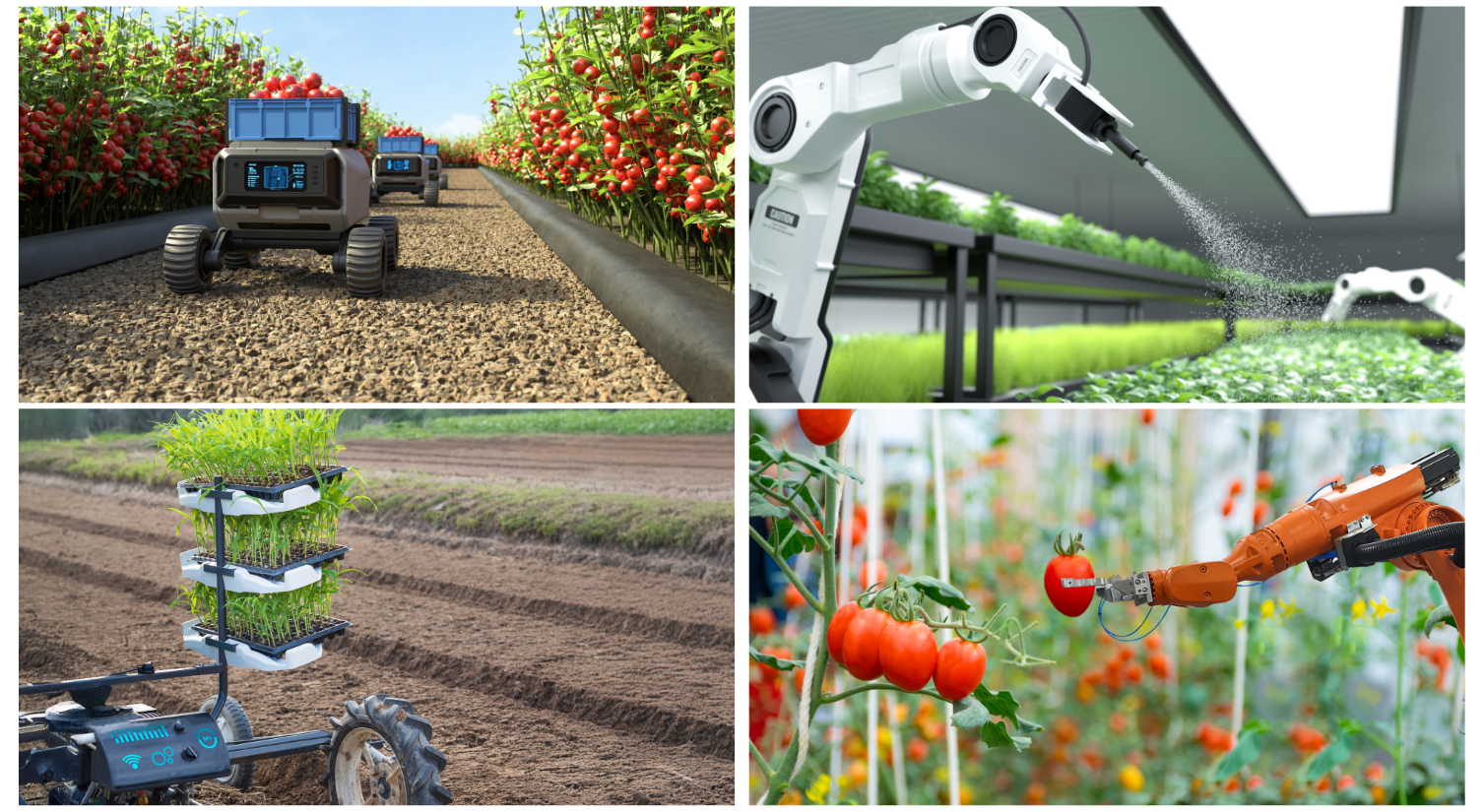
Agricultural robots work where connectors fail fastest: dust, mud, water spray, vibration, UV exposure, and continuous movement. A single unstable interface—at a sensor, arm joint, battery pack, or base cabinet—can lead to intermittent signals, shutdowns, or maintenance time in the field.
WEIPU provides rugged connectivity for agri-robot systems by supporting the three essentials of field robotics:
stable data, reliable power, and secure locking—even under harsh conditions and repeated cycles.
Key Connector Requirements for Agri-Robots
Agri-robots typically require:
-
Sealing against dust and water exposure (field spray, cleaning, humidity)
-
Vibration resistance to prevent loosening during movement
-
Strain relief / cable protection against bending and pulling
-
Stable signal & data transmission for navigation and vision systems
-
Serviceability for fast replacement and maintenance
Where Connectors Are Used on an Agri-Robot
1) Controller System (Navigation / Main Control Unit)
Why it matters: The navigation controller connects power, control signals, and communications to the robot’s sensor network. Field downtime often starts from unstable wiring at the controller box.
Recommended WEIPU options
- ST12 (IP67, thread coupling)- compact interface for control signals in tight layouts
- RJ45 (IP67, bayonet coupling) – robust Ethernet link for controller communications
- M12 (IP67, thread coupling)- widely used sensor/control standard for industrial field wiring
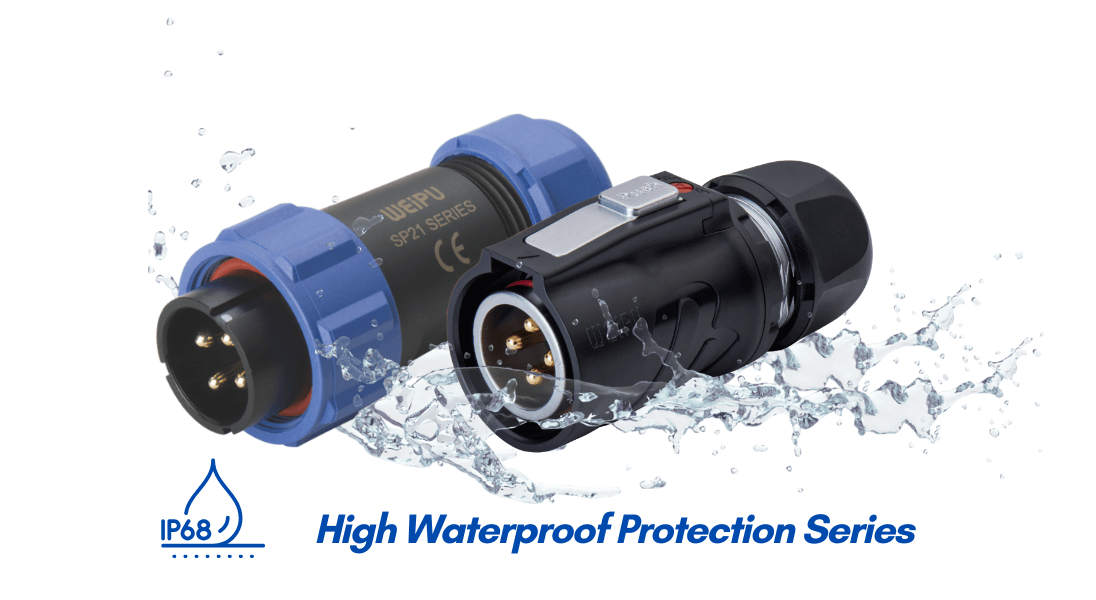
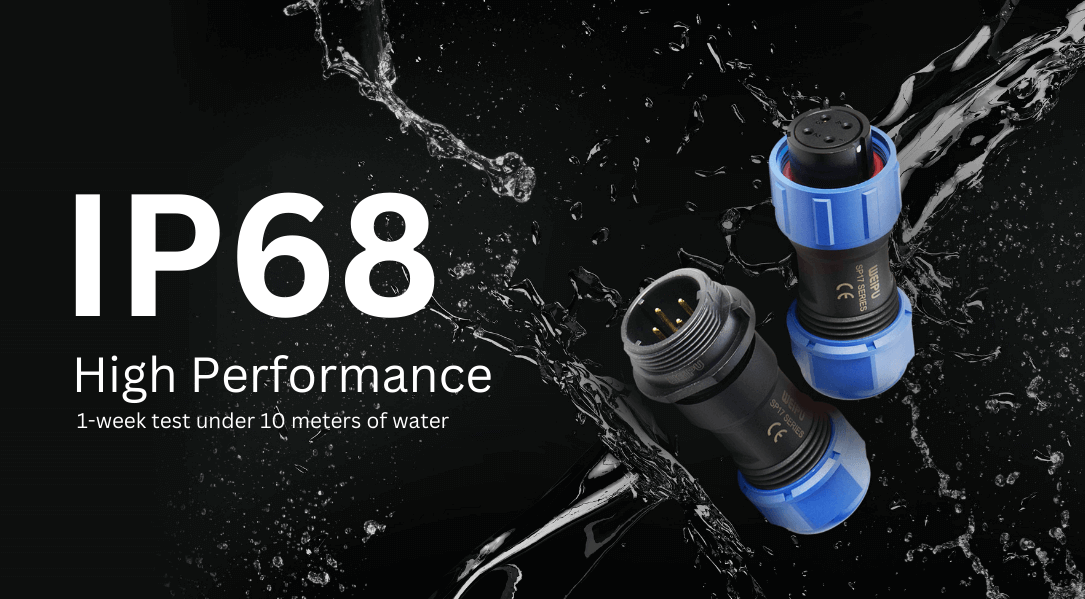
- SP series (IP68, thread coupling) – sealed circular interface for controller I/O in harsh environments
Typical connections: navigation controller, IMU/GPS modules, control I/O, network link, service port.
2) Sensors & Cameras (Vision, Safety, Detection)
Why it matters: Cameras and sensors are exposed to dust, water spray, and vibration—yet require stable data and signal integrity for autonomous operation.
Recommended WEIPU options
- SF series (IP67, push-pull coupling) – quick locking/power & signal connection
- SA24 Data (IP67, push-pull coupling)- network cameras / high reliability Ethernet
- SP series (IP68, thread coupling) – sealed interface for outdoor sensing modules
Typical connections: front/rear cameras, LiDAR/radar support modules, proximity sensors, lighting/markers, safety sensors.
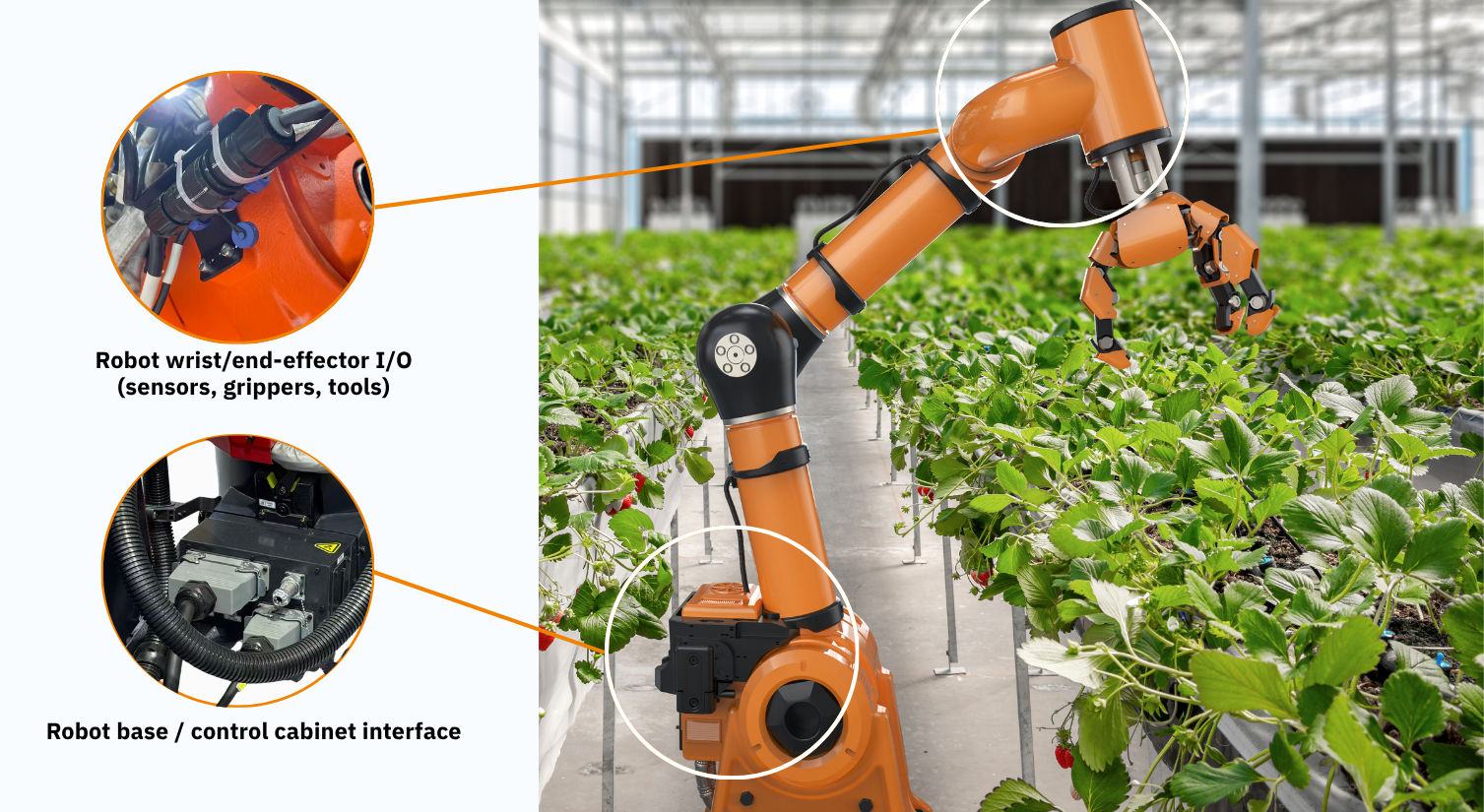
3) Robot Picking Arm (End-Effector / Joint I/O)
Why it matters: The picking arm is the highest-motion zone—constant movement, vibration, and frequent maintenance. Connectors here must stay locked and protect signals for actuators and sensors on the end-effector.
Recommended WEIPU options
- SY series (IP67, bayonet coupling) – rugged connection for joint I/O in moving areas
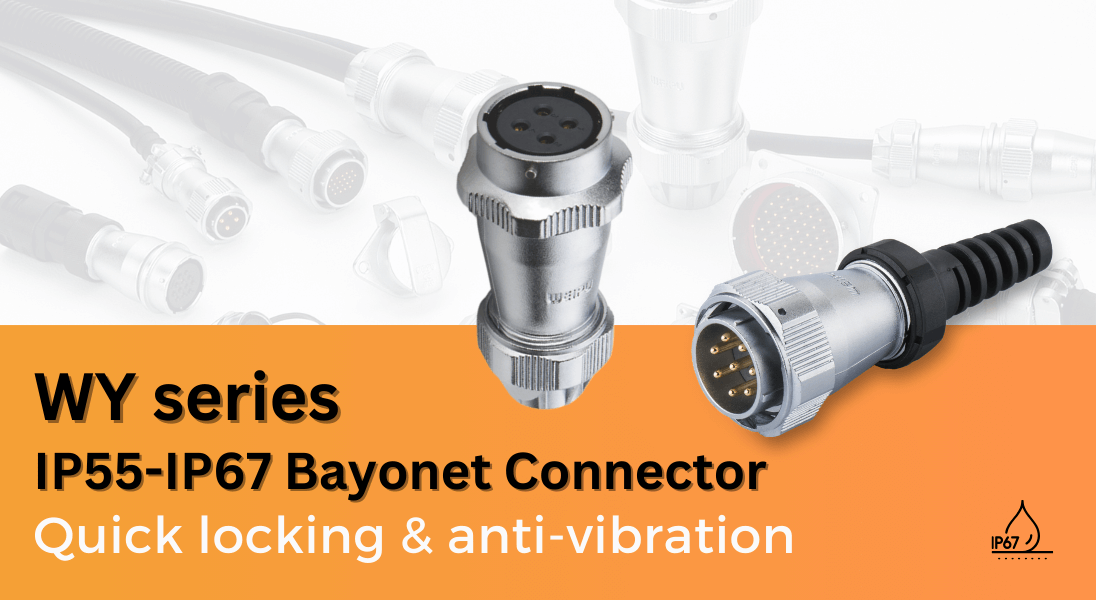
- WY series (IP67, bayonet coupling) – quick-lock / vibration-resistant interface for arm I/O
- SF series (IP67, push-pull coupling) – fast connect/disconnect for service-friendly tooling
Typical connections: gripper power/control, end-effector sensors, joint I/O, tool modules.
4) Robot Battery Pack (Main Power Interface)
Why it matters: Battery interfaces see high current, vibration, and handling. A loose power connection can cause shutdowns, heat issues, or charging instability.
Recommended WEIPU options
- WY series (IP67, bayonet coupling) – secure locking for vibration-heavy power connection points, hybrid connection available
- SP series (IP68, thread coupling) – sealed power interface where water/dust protection is needed
Typical connections: battery output, battery-to-controller power, battery swap modules, charging interface wiring.
5) Robot Base (Main Harness, Cabinet, Distribution)
Why it matters: The base contains the main harness routing, power distribution, and controller enclosure. It often needs robust multi-core interfaces and reliable retention for field maintenance.
Recommended WEIPU options
- WF series (IP67, thread coupling) – solid shell & rugged sealed circular interface for harsh environments
- Heavy Duty connectors – stable multi-core power/control interface for base/cabinet wiring
Typical connections: base cabinet I/O, main harness entry/exit, distribution box, service access.
A Practical Connectivity Strategy for Field Robotics
Agri-robots need connectors that survive real outdoor conditions while keeping signal and power stable under motion. By matching connector type to robot zones—controller system, sensors/cameras, picking arm, battery pack, and robot base—WEIPU supports reliable field operation and easier maintenance.
Common FAQ
Q: What connectors are used on agricultural robots?
Agri-robots commonly use connectors for controller/navigation systems, sensors and cameras, end-effector arms, battery power interfaces, and base cabinets—each with different sealing and vibration needs.
Q: Why do agri-robots need sealed connectors?
Because dust, moisture, mud spray, and cleaning cycles can cause corrosion and intermittent faults without proper sealing and strain relief.


Professional Waterproof Connector
